Salt, Citrus, and Century-Old Vines: The Amalfi Coast
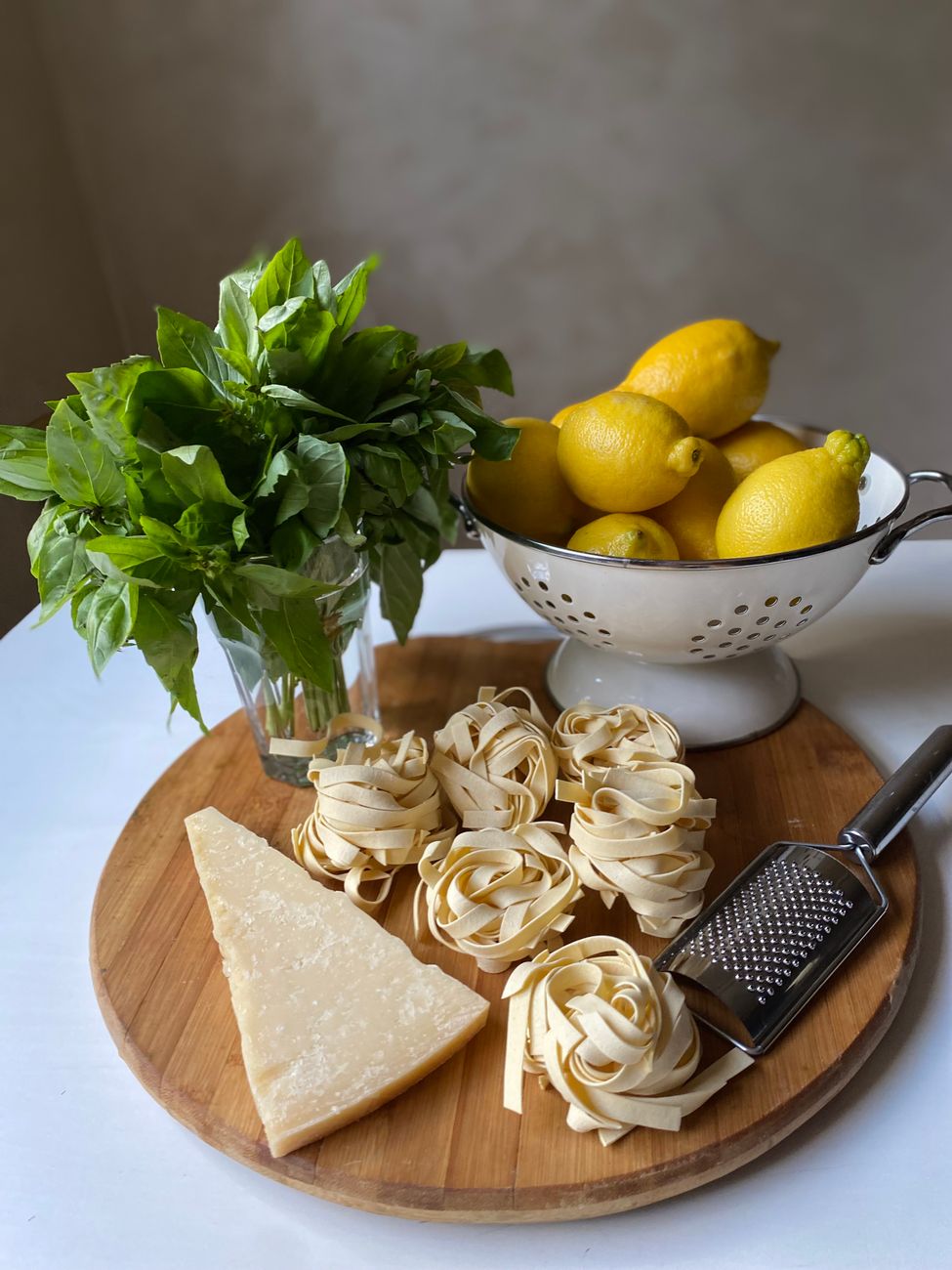
To encounter the true Amalfi coast, one must step away from the ferry slips and ascend the donkey tracks carved into limestone terraces. Here, hundreds of feet above the Tyrrhenian Sea, the air carries an intoxicating perfume of crushed wild thyme, maritime salt, and the aromatic oils of Sfusato Amalfitano lemons.
The Vertical Harvest
These lemon groves are not farms in the conventional sense; they are vertical hanging gardens supported by chestnut poles and dry-stone walls known locally as macere. Generations of families have tended these terraces by hand, carrying harvest baskets weighing sixty kilos down thousands of stone steps.
"The lemon here is not a garnish. It is the lifeblood of our cliffs, giving moisture where water is rare and defining our cuisine for centuries."
The Maritime Table
In the village of Cetara, the fishing boats return at twilight bearing anchovies that are fermented in small oak barrels to produce colatura di alici—a direct descendant of ancient Roman garum. Tossed with handmade scialatielli pasta, garlic, red peppers, and grated lemon peel, the dish captures the entire topography of Campania in a single bite.
Dining here is unhurried. As the sun dips behind the cliffs of Capri, waiters pour chilled Tintore wine from pre-phylloxera vines that grow wild up high arbor wires. It is a reminder that gastronomy at its peak is inseparable from geology, history, and patient human labor.