The Architecture of Silence: Kyoto’s Hidden Zen Compounds
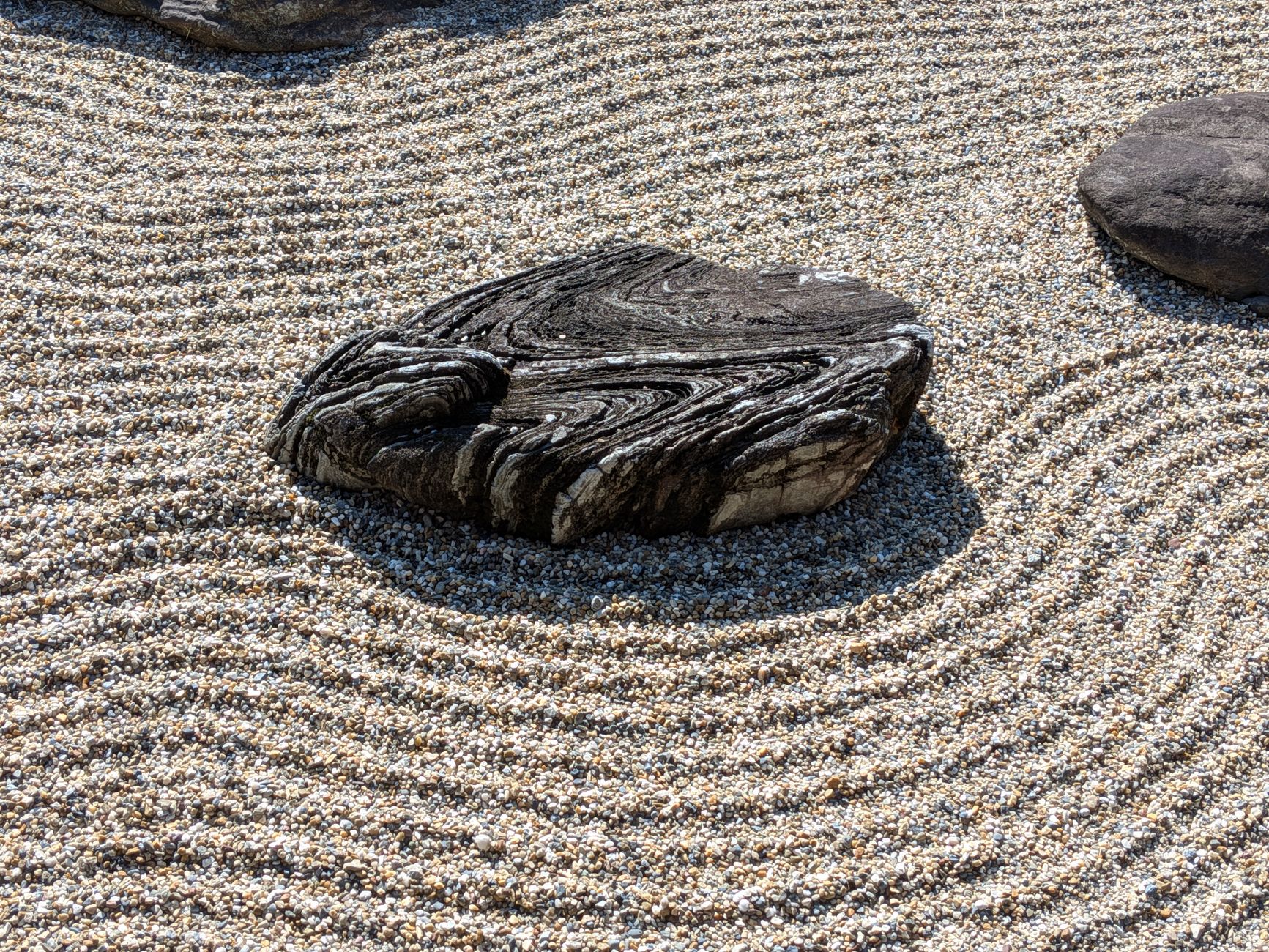
Behind the cedar gates of Daitoku-ji’s sub-temples, the frantic hum of modern Kyoto vanishes into the soft crunch of raked gravel. Here, architecture is not an assertion of volume, but an intentional choreography of absence. To understand the Japanese dry landscape garden, one must abandon the Western impulse to fill empty space and instead sit quietly upon the polished wooden veranda (engawa).
The Geometry of Stillness
In temples like Ryogen-in and Zuiho-in, stones are placed not as decorative objects, but as anchors of tension. Five stones positioned across ripples of white sand evoke mountain peaks emerging through sea mist, yet they simultaneously represent nothing more than themselves: raw geological presence harmonizing with human discipline.
"When the garden eliminates the non-essential, what remains is an unfiltered mirror for the spectator's own wandering mind."
Passing Through the Shoji Screen
The interior spaces share this ruthless clarity. Tatami mats dictate the scale; sliding paper partitions filter northern sunlight into a soft, velvety diffusion. In the morning light, one notices how dust motes drift with cathedral calmness across the room. There are no ornamental distractions—only timber columns treated with persimmon tannin and the subtle aroma of aged cypress.
For the traveler weary of hurried transit, spending three hours sitting motionless on an engawa while watching the shadows shift across moss clusters provides an antidote that no spa resort can replicate. It re-calibrates our perception of time, transforming travel from accumulation into distillation.