Solitude at the Edge: Autumn Transitions in Lofoten
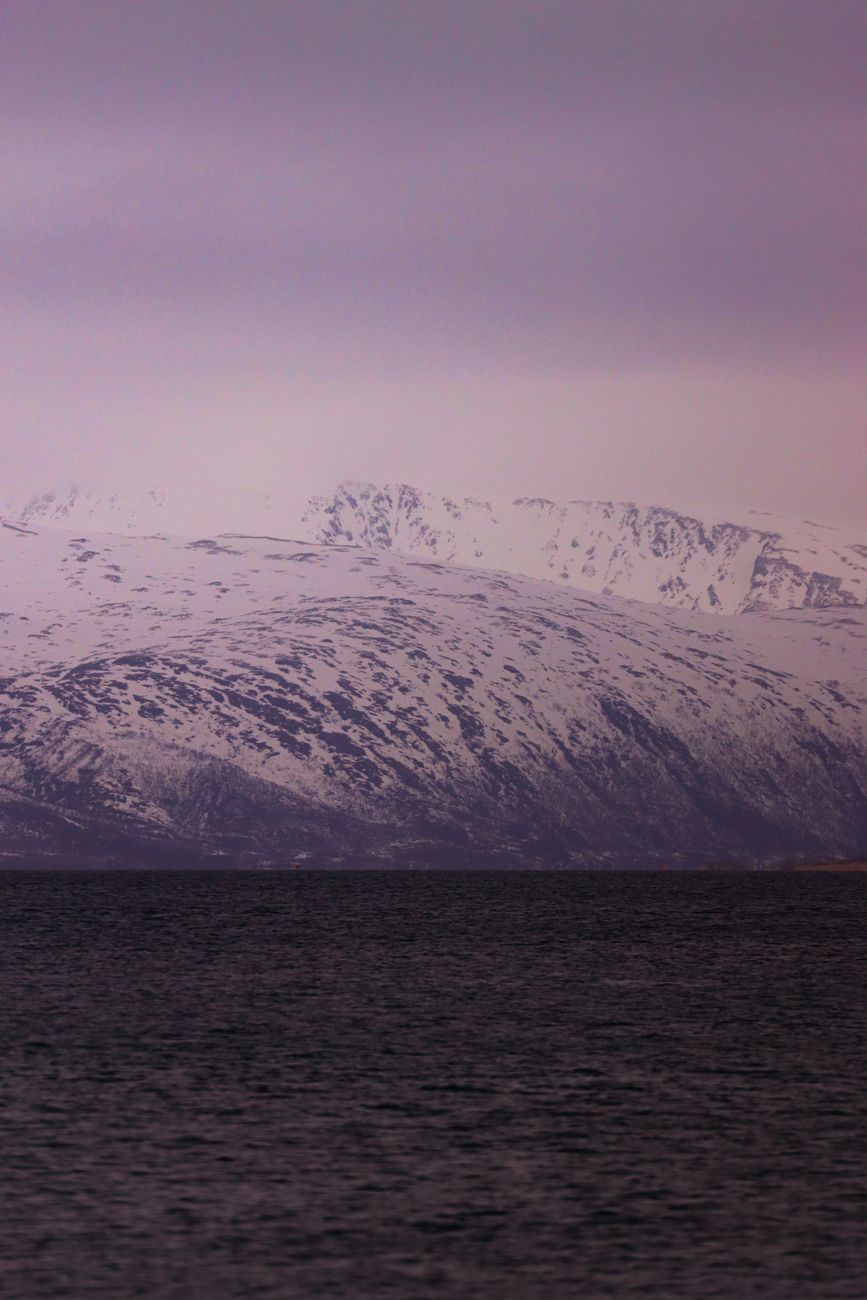
When the summer camper vans depart the E10 highway in late September, the Lofoten islands breathe a collective sigh of relief. The granite peaks of Reine and Hamnøy, rising sheer from the Vestfjorden like the teeth of a sleeping dragon, are veiled in low-hanging scud clouds. It is in this quiet shoulder season that the arctic archipelago reveals its profound dignity.
The Color of Arctic Autumn
Contrary to the stereotype of monochromatic northern landscapes, autumn in Lofoten is a study in fiery pigments. Birch scrubs turn vibrant amber against black basalt cliffs; blueberry shrubs spread across the tundra like spilled wine. When the afternoon sun breaks through ocean squalls, it casts a golden light that lasts for hours, angling horizontally across the wooden drying racks (hjell) that stand silent until the winter cod arrive.
"The silence of the arctic is not an absence of sound, but the presence of immense natural forces resting between storms."
Dwelling in the Rorbu
Staying in an authentic rorbu—the traditional red fishermen's cabins built on stilts above tidal waters—connects the traveler directly to coastal rhythms. At night, the Atlantic swell slaps gently against timber pillars beneath the floorboards. As temperatures plunge toward zero, a cast-iron woodstove warms the room, while outside, green curtains of aurora borealis begin their silent dance across the zenith.
Lofoten asks nothing of the traveler except patience and warm woolens. In return, it offers a stark reminder of human scale against ancient geology—a perspective essential for any thoughtful seeker of remote horizons.